B Blog
Notes from the policy file
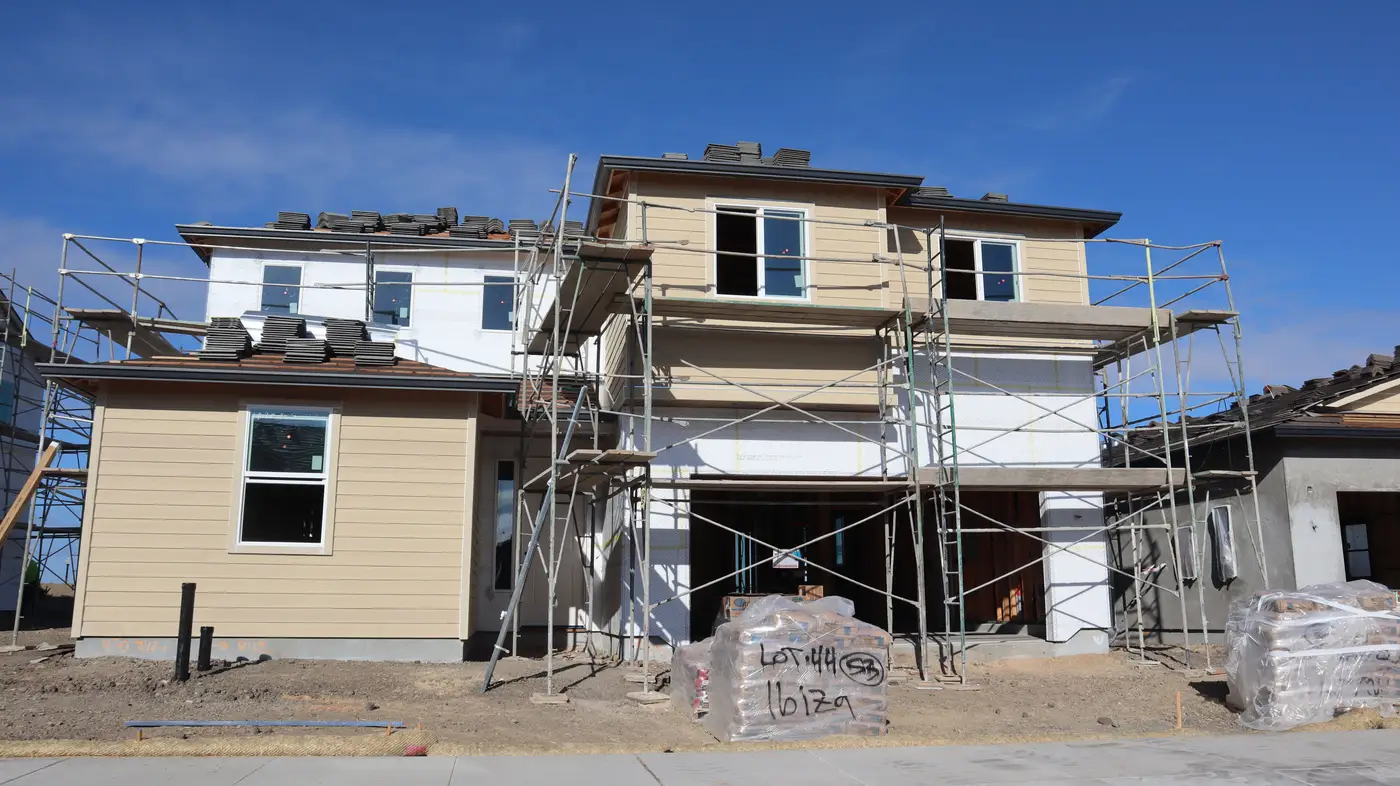 Field notes: the sub who walked and left the wrap half done
A builder's risk field note on the half-wrapped frame: what it means for exposure, draw schedules, and the gap between self-reported progress and reality.
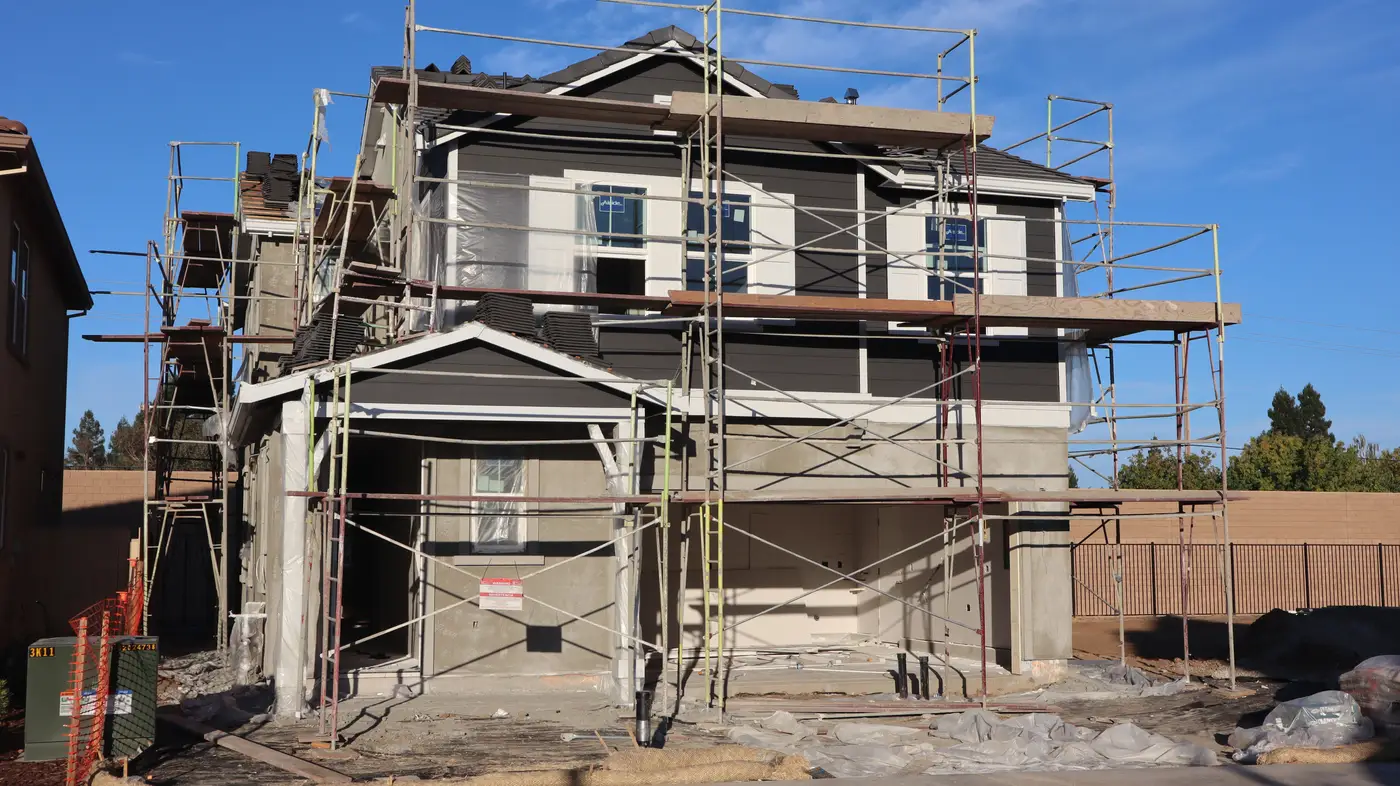 Permission to occupy: what the clause covers on a builder's risk policy
What a permission to occupy clause covers in builder's risk, how partial occupancy endorsements work, and why documentation matters.
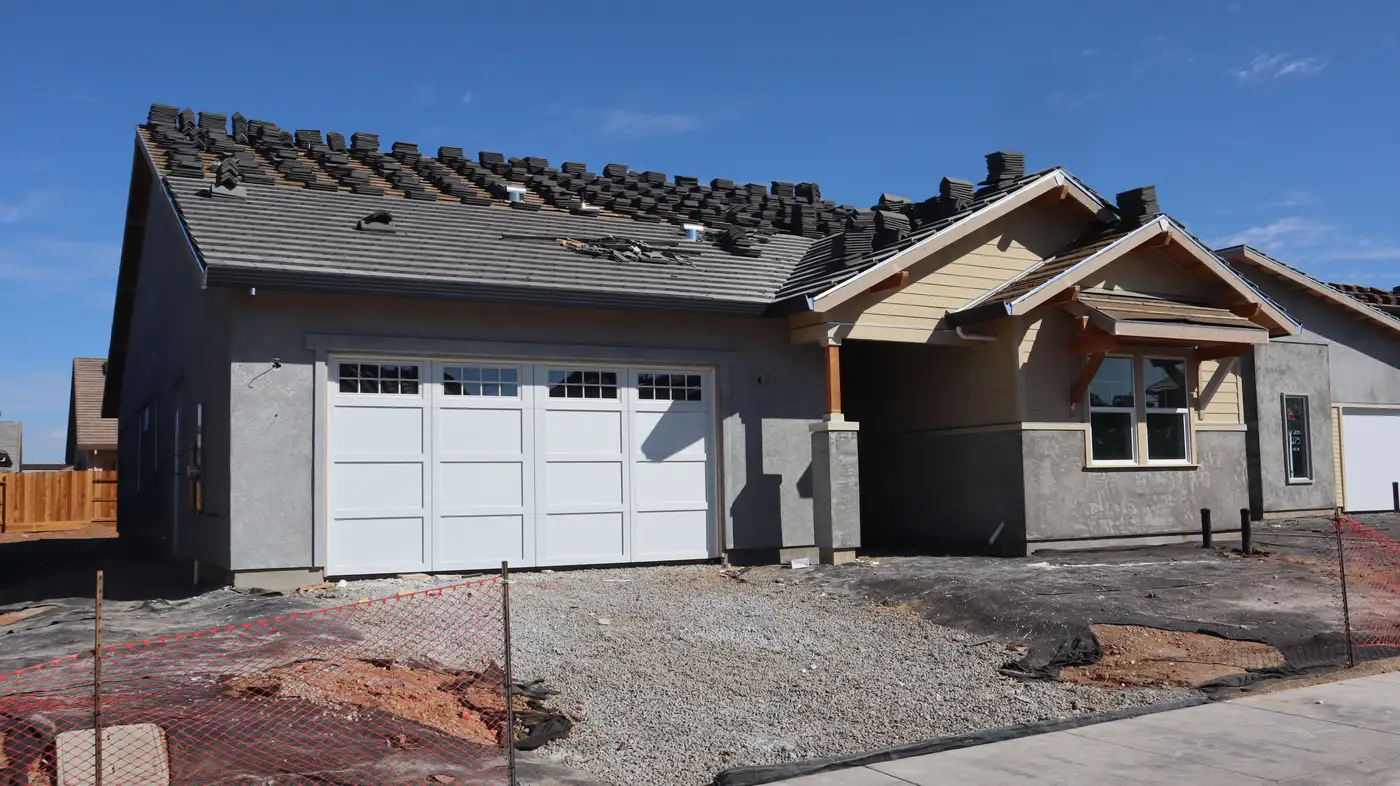 How to verify visible site security before a builder's risk renewal
A renewal checklist for confirming fencing, gates and material storage on a course-of-construction risk without relying on the contractor's own photos.
- Renovation builder's risk vs. new construction coverage: what changes
How renovation builder's risk policies differ from new construction coverage, and why gut rehab accounts need their own underwriting read.
- Field notes: the renewal where two quiet months weren't what they looked like
A course-of-construction renewal file looked fine on paper. Two months of "steady progress" turned out to mean something else entirely.
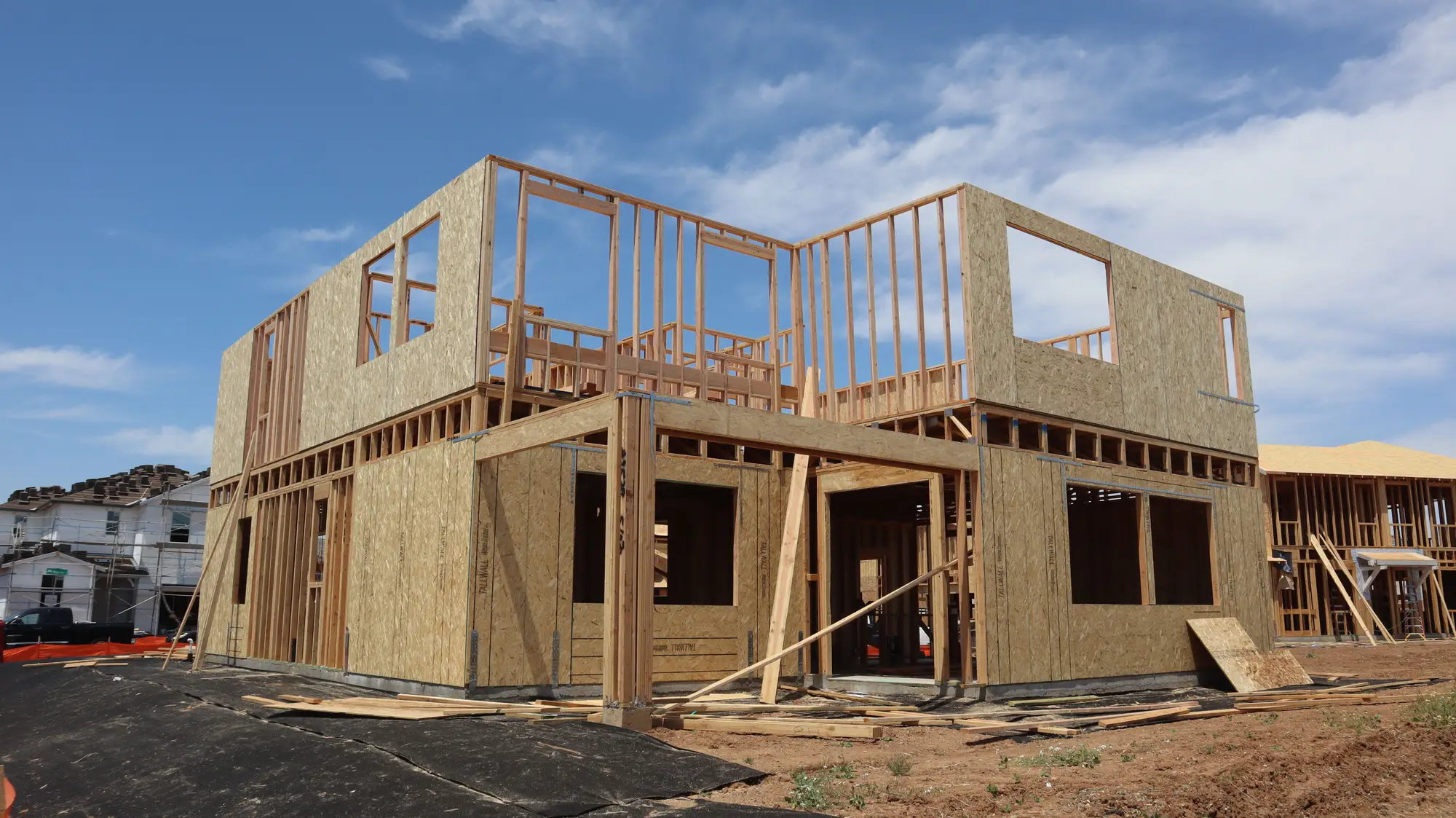 How to read a footprint change map for a builder's risk renewal
A plain-language guide to reading footprint change and stage-of-completion overlays before you renew a builder's risk policy.
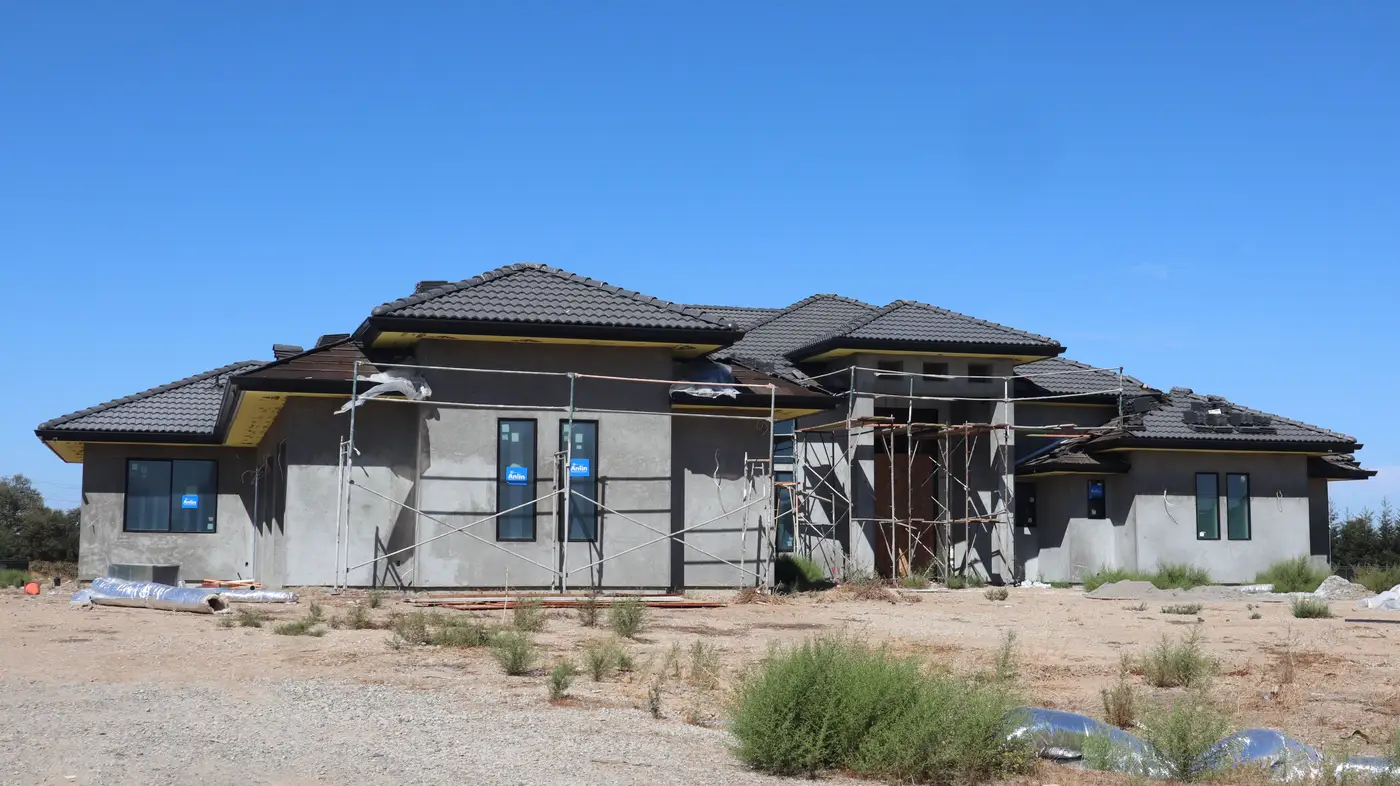 How to catch underreported progress on a builder's risk policy
Why contractor-reported stage of completion drifts from reality, and what to pull during a builder's risk file audit to catch it early.
- What is a deductible buyback endorsement in builder's risk insurance?
A plain explanation of deductible buyback endorsements on course of construction policies, why wind/hail buybacks hinge on stage of completion.
- Field notes: the frame that sat untouched for six weeks
A stalled framing stage can sit exposed for weeks before anyone on the claims side notices. What that quiet gap really costs a builder's risk file.
- Named insured vs additional insured on a builder's risk policy
Named vs additional insured on a builder's risk policy: who's on the declarations, who's added by endorsement, and why it matters for claims.
- Catching a stage-of-completion mismatch before it hits the claim file
How underwriters can spot a stage-of-completion mismatch against contractor progress reports before a builder's risk loss turns into a dispute.
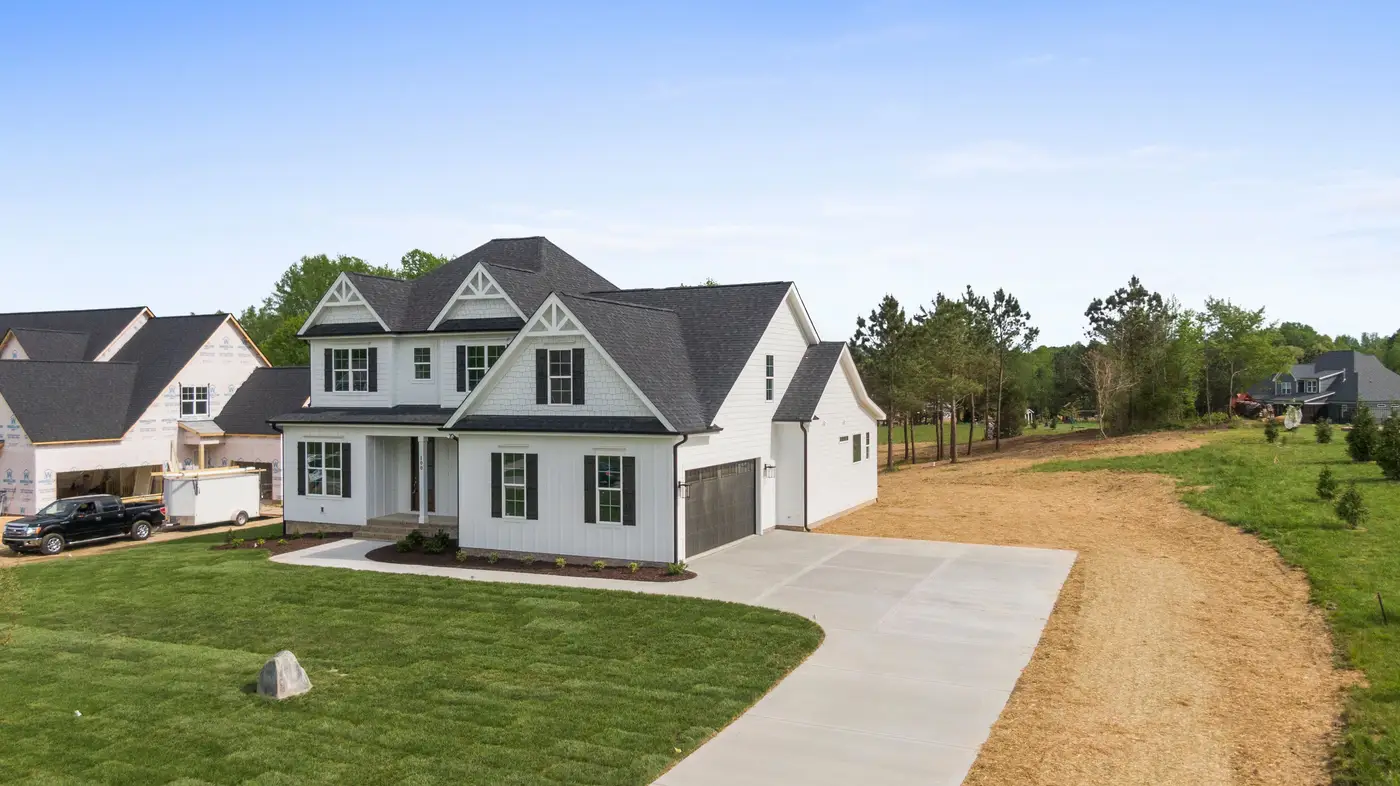 Occupancy conversion date: why it ends builder's risk coverage
What an occupancy conversion date is, why it ends builder's risk coverage, and how to confirm it without relying on the contractor's word.
- Setting builder's risk limits as stage of completion changes
How underwriters adjust builder's risk limits and reporting values as a project moves from excavation to substantial completion.
- Soft cost coverage in builder's risk insurance, explained
A plain look at soft cost coverage in builder's risk policies: what it pays for, how delay in completion claims work, and why timelines matter.
- Reporting form vs. completed value: picking the builder's risk coverage basis
How completed value and reporting form endorsements differ on a course of construction risk, and what the gap means when a claim comes in.
- How to verify contractor progress reports before a builder's risk renewal
How specialty-lines underwriters can check contractor-reported percent complete against an independent read before pricing a builder's risk renewal.
- Vacancy clause triggers in builder's risk policies: what actually starts the clock
A plain look at how vacancy clauses, occupancy timing, and COC conditions interact on builder's risk policies, and why the trigger date is so often disputed.
- What is a frame gap exclusion in builder's risk insurance?
A plain-language look at the frame gap exclusion in builder's risk forms: what it covers, why wood-frame jobs trigger it, and how to document the stage.