Setting builder's risk limits as stage of completion changes
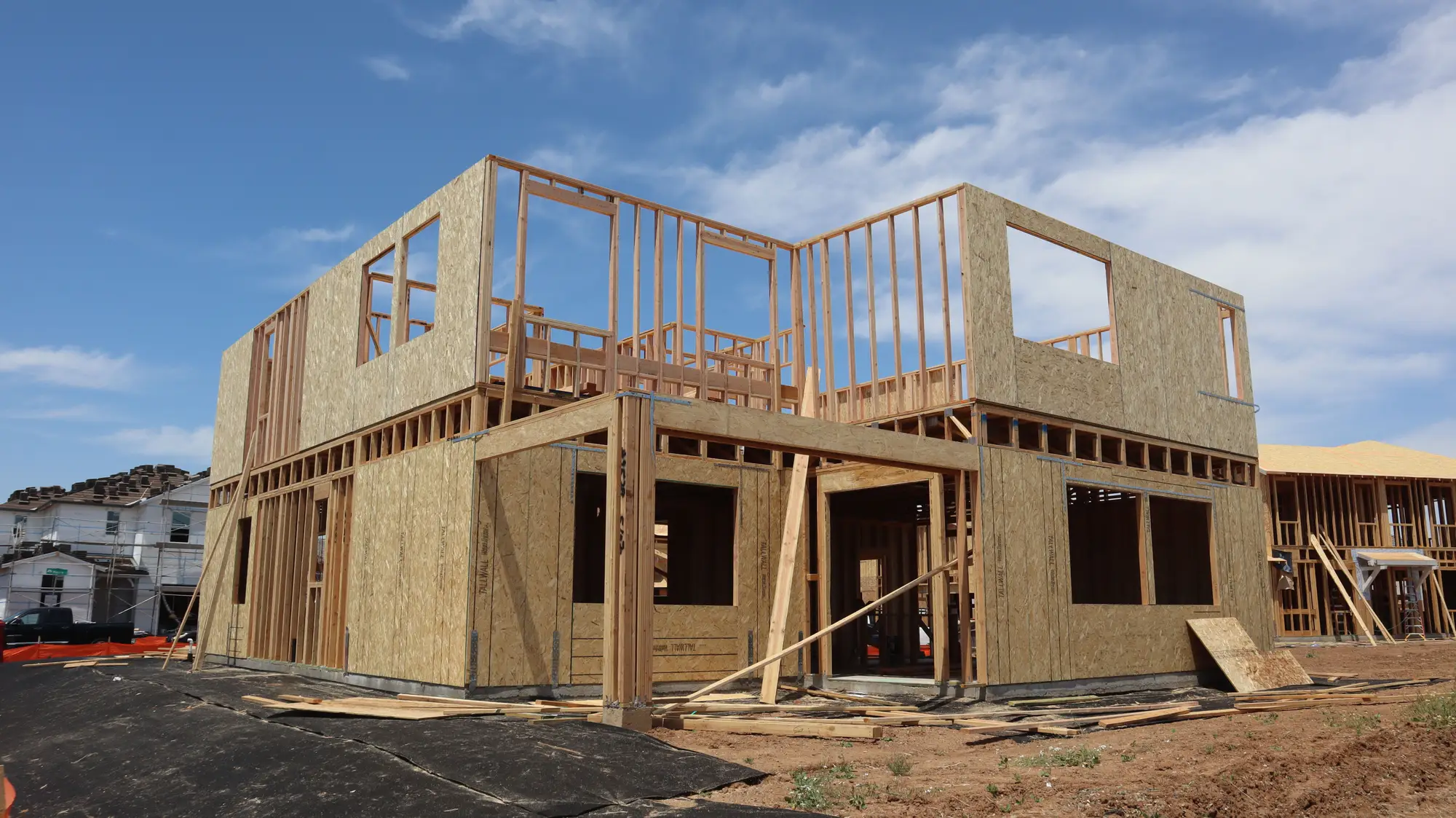
A builder's risk limit written at inception rarely matches the actual value on the ground six months later. A frame that's half up carries a fraction of the exposure a dried-in, mechanicals-rough building does, and the policy has to track that curve somehow, either by holding a flat completed-value limit from day one or by adjusting values as the project climbs.
Neither approach removes the core problem: you're setting a number against a project you can't walk every week, based on numbers someone with a stake in the outcome is sending you.
Completed value vs. reporting forms
Most builder's risk business lands on one of two structures.
A non-reporting, completed-value form sets the limit at full projected completed value from the start and holds it flat for the term. It's simple to administer and there's no monthly paperwork, but it means the insured is carrying (and often paying premium on, depending on how the policy prices exposure) a limit well above actual value in place for most of the build. Underwriters who write this way lean on the builder's schedule at binding to confirm the completed value estimate is sound, and rarely touch the limit again before renewal.
A reporting form moves the limit with the project. The insured files periodic value reports, usually tied to the schedule of values or the draw schedule, and premium gets trued up against reported values. This is the structure where stage of completion drives the number, which also makes it the structure most exposed to bad reporting. If the contractor's draw requests run ahead of actual work in place, as they sometimes do when a GC is managing cash flow across several jobs, the reported value and the real value in place drift apart. You're adjusting a limit against a number that was never independently checked.
Where reported progress and ground truth diverge
The reporting gap shows up in a few predictable spots. A project that's stalled, maybe waiting on a permit revision or a subcontractor dispute, keeps reporting the same percent-complete it had last month because nobody's updated the schedule of values. A project that's running ahead of schedule because the GC compressed the sequence doesn't get its limit bumped until the next scheduled report, leaving weeks of underinsured exposure on a building that's further along than the file shows. And footprint changes, an added wing, a phase that got combined with another, rarely make it into a reporting form at all unless someone catches it against the original plans.
None of this means the contractor is lying. Draw schedules are built for payment, not for insurance accuracy, and the person filling them out usually isn't thinking about your limit of liability when they do it. But it does mean a limit set purely off self-reported percent-complete is only as good as how closely that report matches the site.
Setting a review cadence that catches drift
A workable approach treats the reported stage of completion as a starting point and checks it against something independent on a fixed schedule. Monthly works for most course-of-construction terms, and it catches drift long before renewal or a loss would force the question. That's the gap Builder's Risk Monitor is built for: a monthly read of stage of completion, footprint change and site security built from repeat imagery, filed as an overlay you can hold against the policy and the reported schedule of values side by side.
Checking the reported percent-complete against an outside view each month doesn't replace the schedule of values. It tells you when the two have started to disagree, which is usually the first sign a limit needs adjusting before a loss forces the conversation.
If you're carrying builder's risk paper where the only progress read is what the contractor sends in, it's worth seeing what an independent monthly check looks like against your own book.