Named insured vs additional insured on a builder's risk policy
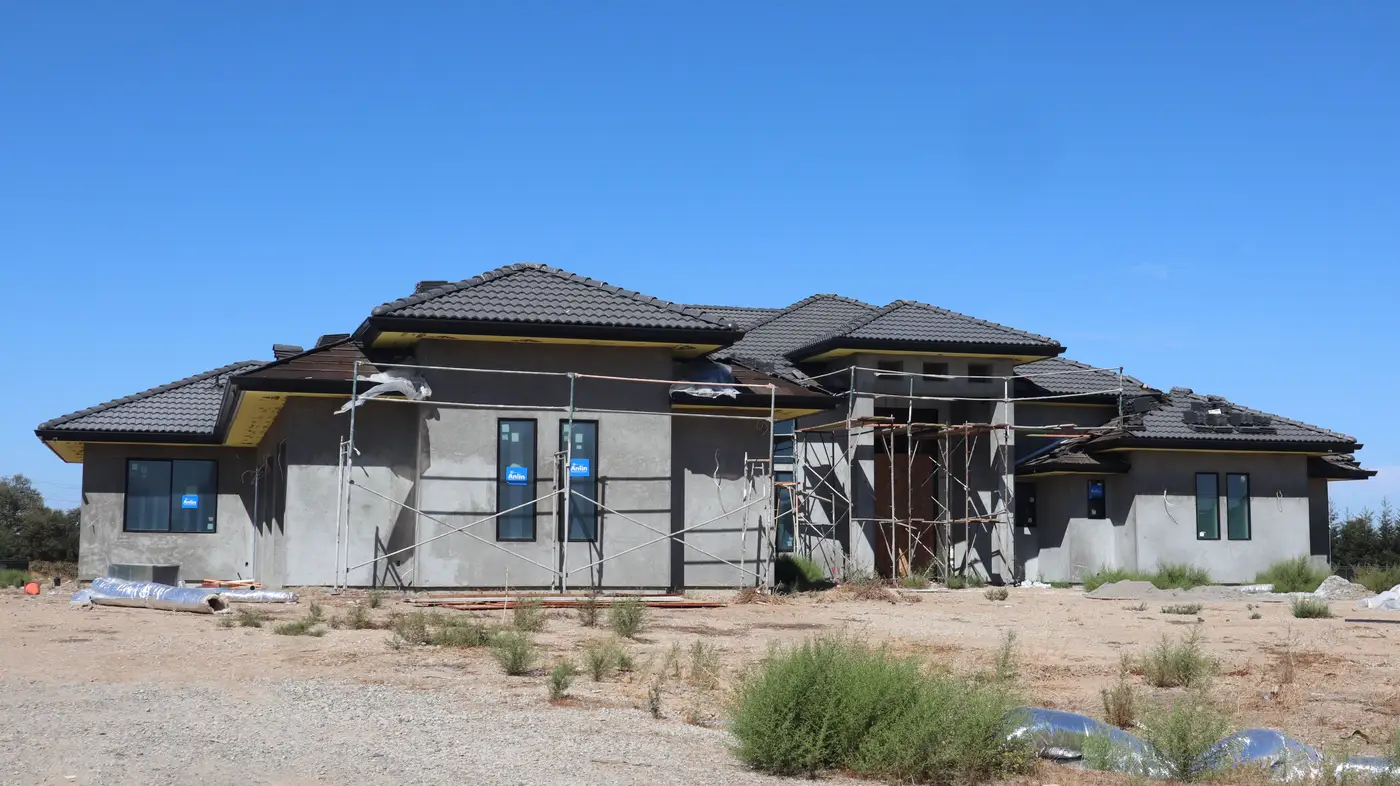
On a builder's risk policy, "who's covered" isn't one answer. It splits into named insured and additional insured, and the two carry different rights, different notice requirements, and different exposure if a claim gets contested mid-build. Brokers get this question from GCs and owners constantly, and the answer changes depending on who's holding the policy and how the project is financed.
Named insured: who's actually on the declarations page
The named insured is the party or parties identified by name on the policy declarations. On a builder's risk form, that's usually the project owner, the general contractor, or both, listed jointly. Whoever sits in that slot has the broadest rights under the policy: they can file a claim directly, they get notice of cancellation or non-renewal, and they're the one the carrier is contracting with.
A lot of course-of-construction policies name both the owner and the GC as co-named insureds, sometimes with subcontractors scheduled in. That's common on owner-controlled insurance programs (OCIPs) and wrap-ups, where one policy is meant to cover the whole job site instead of each trade carrying its own. If you're underwriting the risk, the named insured structure tells you who has standing to bring a claim and who's financially on the hook if the builder's risk coverage falls short of the loss.
Additional insured: coverage without the paperwork trail
Additional insured status gets added by endorsement, usually at a lender's or subcontractor's request, and it extends coverage to their interest in the project without making them a party to the policy itself. They don't appear on the declarations page at all. A construction lender, for instance, often wants additional insured status so their collateral interest in the building is protected if there's a fire or storm loss before the certificate of occupancy.
The practical difference shows up at claim time. An additional insured typically has to go through the named insured, or at least coordinate with them, to get a claim processed. They don't get independent notice rights unless the endorsement specifically says so, and most standard builder's risk endorsements don't. If a lender is counting on additional insured status to protect their position, that gap is worth flagging before the policy binds, not after a loss.
Why this matters more on course-of-construction risk than on a finished building
A finished, occupied building has a stable value and a stable set of interests. A project under construction doesn't. The insurable interest shifts as the structure goes up, subs rotate on and off the site, and the GC's exposure changes month to month as more of the building becomes vulnerable to weather, theft, and fire before it's enclosed. Endorsements added mid-term to bring in a new sub or satisfy a lender covenant are routine on these policies, which is exactly why the named insured versus additional insured distinction keeps coming up on renewal and mid-term audits.
For an underwriter, the endorsement schedule is also a rough map of who has skin in the game at a given point in the build. A policy with a long list of additional insureds added in month three, when the self-reported completion percentage says the project is still in excavation, is worth a second look. Endorsement activity and reported progress should move together. When they don't, that's often the first sign that the contractor's updates aren't keeping pace with what's actually happening on site.
That's the gap this monitoring exists to close: a monthly read of stage of completion and footprint change, built from repeat imagery of the site itself, that you can file alongside the endorsement schedule as an independent check rather than taking the contractor's progress report at face value. If you're carrying course-of-construction risk and want a progress record that doesn't depend on who called in the update, Builder's Risk Monitor is built for exactly that file.