What is a deductible buyback endorsement in builder's risk insurance?
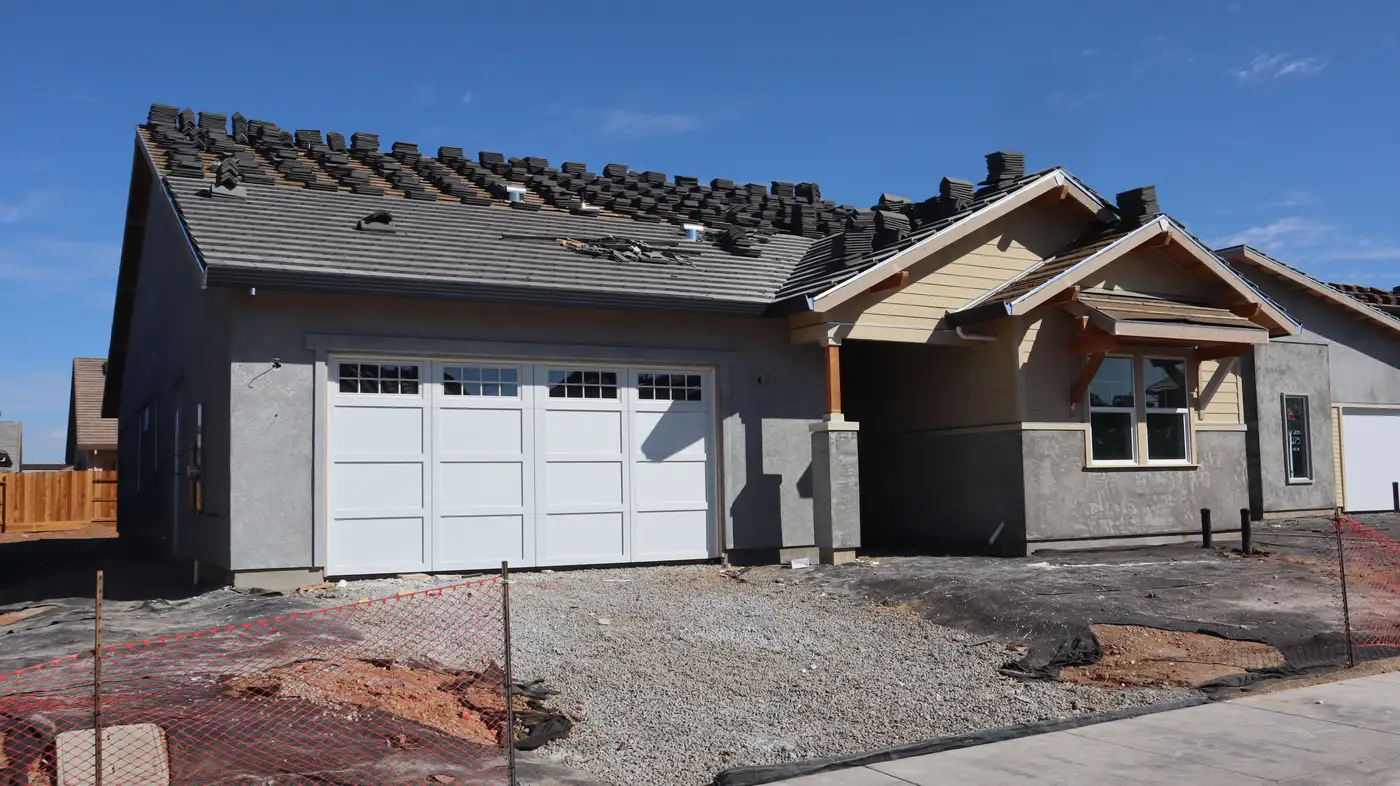
A deductible buyback endorsement lets the insured pay additional premium to reduce a large percentage deductible down to a flat dollar amount, or to a smaller percentage, for a specific peril. On a builder's risk or course of construction (COC) policy, you'll see this most often attached to wind/hail or named storm coverage, where the base deductible is written as a percentage of the total insured value or the reported value of work in place rather than a flat number.
Here's why that distinction matters. A $20 million frame-to-finish project might carry a 5% named storm deductible. Early in construction, when reported value is low, 5% of that smaller number is a bearable hit. By month ten, when the structure is closed in and most of the TIV is on the books, that same 5% deductible can run into six figures. The buyback endorsement exists because GCs and developers don't want their exposure at the back end of a job to scale with a percentage they can't control.
How the percentage deductible works on a COC policy
Most course of construction forms calculate the deductible against one of two bases: the policy's total limit, or the value of work completed at the time of loss. The second basis is the one that creates friction, because "value of work completed" is usually whatever the contractor last reported on a monthly values statement. If that number is stale, low, or simply optimistic, the deductible calculation at claim time can look very different from what the insured expected when they bound the policy.
A buyback endorsement sidesteps the argument by converting the percentage into something fixed. Instead of "5% of value at time of loss," the schedule might read "$50,000 flat for named storm, all other perils subject to the standard deductible." The insured pays for that certainty up front, and the carrier underwrites the buyback based on the project's wind exposure, location, phase length, and the completion schedule on file.
That last piece is where it gets interesting for the underwriter. A buyback priced off a projected completion curve only holds up if the project tracks that curve. A frame that's six weeks behind schedule going into windstorm season is a different risk than the one priced at binding, even though the endorsement language hasn't changed.
Why stage of completion still drives the pricing, even after the buyback
The buyback removes the math problem at claim time. It doesn't remove the underwriting problem of knowing, during the policy term, whether the structure is actually progressing the way the application said it would. A project that's dried-in and roofed by the time hurricane season starts carries a very different wind/hail loss profile than one that's still open stud framing on the same date, and a flat-dollar buyback doesn't adjust for that. If anything, a fixed deductible can make an underwriter more exposed on a project that's lagging, not less, because the dollar amount was set assuming a schedule that isn't holding.
This is the gap between what the policy says and what the file shows. Contractor progress updates are the standard source for stage of completion on a COC risk, and they're also the one piece of the file an underwriter doesn't independently verify month to month. A monthly exterior read of the structure, where the roof line is, whether the footprint has changed, whether the site fencing and staging look consistent with an active job, gives the file something to check the reported progress against without waiting for a site visit or a renewal submission. That's the specific job Builder's Risk Monitor was built to do, using repeat high-resolution imagery filed as a site-map overlay against the policy.
A few things worth confirming before binding a buyback
- Whether the buyback applies to named storm only, or to wind/hail generally. The two aren't always the same peril definition.
- Whether the flat dollar amount was set off the original completion schedule, and what happens if that schedule slips.
- Whether the endorsement has its own reporting requirements, separate from the base policy's monthly values statements.
None of that shows up in the endorsement wording itself. It shows up in whether the file has an independent read on where the project sits each month, which is the piece worth building into the renewal file before the next named storm season, not after a loss.