Field notes: the frame that sat untouched for six weeks
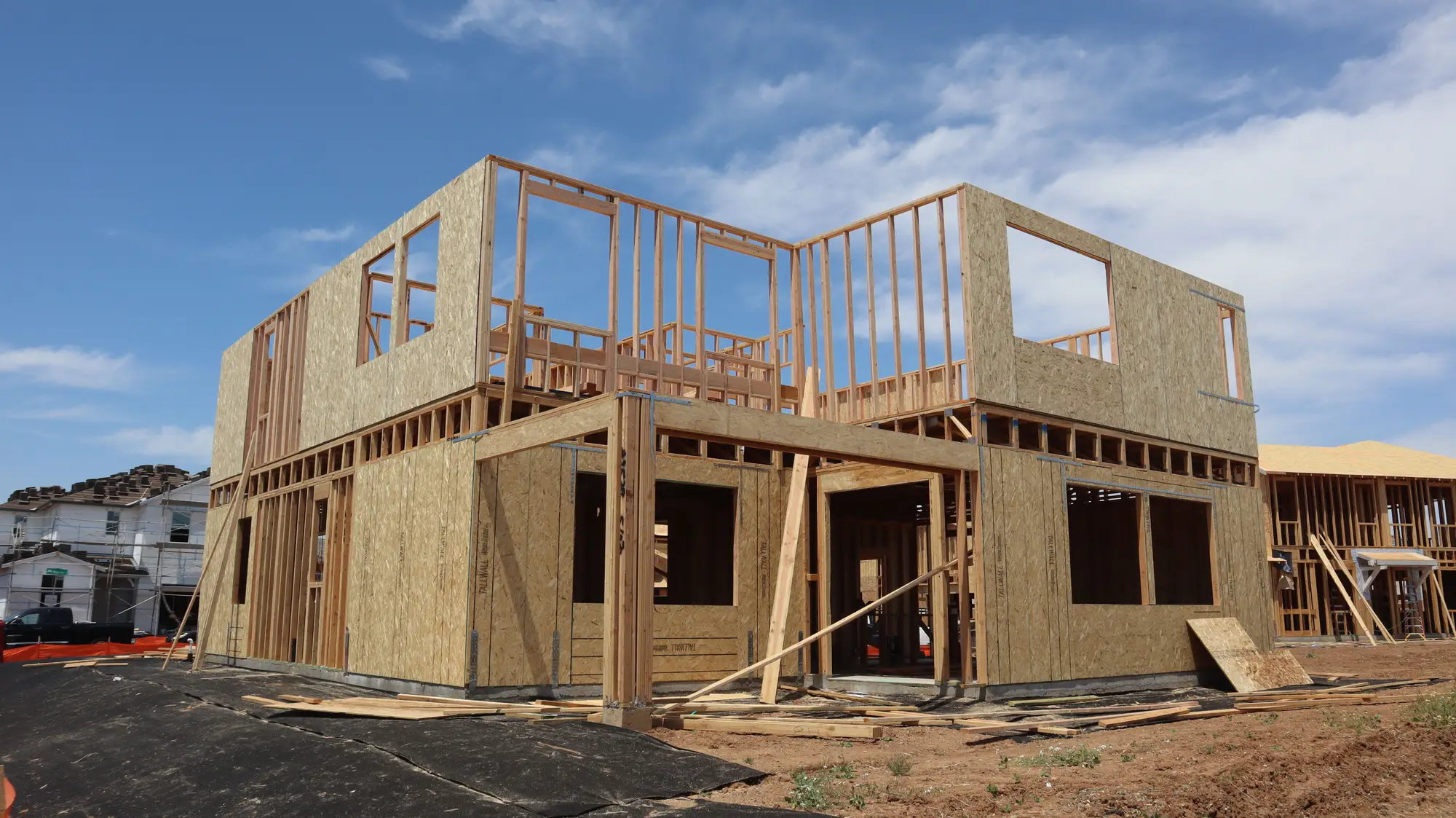
Framing is the stage everybody trusts. Walls go up fast, the schedule looks good on paper, and the monthly progress photo from the GC shows a building taking shape. That trust is exactly why a stall at this stage is so easy to miss.
Here's the pattern we keep hearing about from claims adjusters and risk engineers who work the course-of-construction side: a frame goes up through week eight or nine, hits something, a labor shortage, a permit holdup, a sub who walked off another job and took the crew with him, and then just sits. No siding, no roof dry-in, sheathing exposed to weather, let-in bracing doing more work than it was ever meant to do. The project's progress report for that period still says "framing, on schedule," because the last update on file is from before the stall started.
Six weeks is a long time for an open frame to sit unattended. Wind events happen. A storm that would have been a non-issue for a dried-in structure can rack a frame, soak sheathing that then has to be torn out and replaced, or peel back housewrap nobody's checked in a month. Open framing is also an invitation. Copper, lumber, and anything left staged on site has a way of walking off a quiet job faster than an active one. And a site that looks abandoned draws a different kind of attention than a site with trucks and noise.
None of this shows up in a self-reported progress update, because the person filing it has no incentive to say "we stopped." A contractor under a draw schedule wants the draw to go through. A stall gets smoothed over in the monthly report as a rounding error, a soft "slight delay," and the file moves on. The underwriter reviewing it has no reason to think anything's wrong, because nothing in the paperwork says anything's wrong.
What actually catches a stall like this is comparing what's on the ground against what was there last month. The footprint itself, not the contractor's narrative of it. If the structure's outline, roofline, or visible stage of completion hasn't changed between two monthly reads, that's the tell: a literal absence of progress on the site, sitting underneath a schedule of values that says otherwise.
That's a different kind of check than the industry has mostly relied on. Draw inspections run on the contractor's calendar, built around verifying completed work so a payment can go out. Catching a stall in progress was never the point of them. A monthly outside read of the site, independent of what's getting reported up the chain, catches the gap between "on schedule" and "untouched since the last storm" before it becomes a claim instead of a conversation.
We built a monthly site read built from repeat imagery, tracking stage of completion and footprint change against the last visit for exactly this reason. The inspector who walks the site still matters and still does that job. This is the read that covers the month in between visits, built from what's visible on site rather than what's written up about it.
A job that goes quiet for six weeks isn't rare. The expensive part is the six weeks nobody noticed it had gone quiet. If a stalled framing stage is a real exposure on your book, a monthly outside read is worth a look.