Renovation builder's risk vs. new construction coverage: what changes
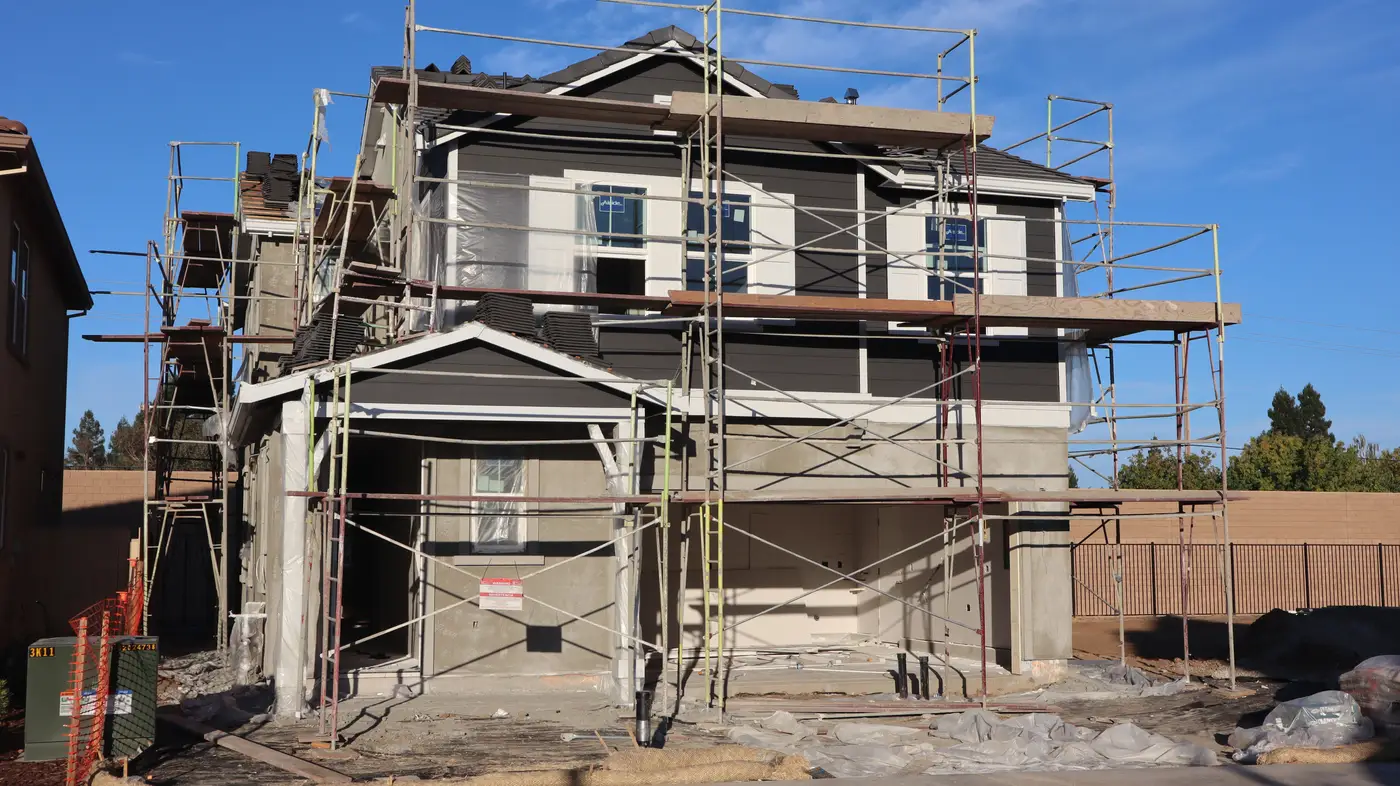
A renovation builder's risk policy covers work on a structure that's already standing when the policy incepts. New construction builder's risk covers a structure being built from the ground up, usually on a vacant lot or a cleared pad. That distinction sounds simple until you're underwriting the account, because almost everything downstream of it changes: how limits get set, what "covered property" even means, and what you're on the hook for if a fire guts the third floor in month four.
Why the existing structure changes the math
On new construction, your limit is built toward completed value. The frame goes up, the systems go in, and by the time you're near the end of the policy term the insured values and the exposure roughly track each other. There's no pre-loss structure sitting there with its own value separate from the builder's risk form.
On a renovation, there is. The building was worth something before anyone touched it, and that value doesn't disappear just because the policy is written on a builder's risk form instead of a property form. This is where the existing structure coverage limit matters: it's a specific sublimit, or sometimes a scheduled amount, that responds to the pre-renovation structure itself, distinct from the limit tracking the renovation work in progress. If that sublimit is set too low, or left off the quote entirely because the broker submitted it like a standard new-build job, the insured is underinsured on the one thing that was never under construction in the first place. A total loss on a gut rehab can wipe out both the existing structure and the renovation work, and a policy that only priced the renovation scope leaves a real gap.
Gut rehab builder's risk submissions are the ones where this gets missed most often. The project reads on paper like heavy renovation, maybe even full interior demolition down to the studs or the slab, but the exterior walls, the roof structure, or a historic facade stay in place and carry real value. Underwriters who treat that submission like a vacant-lot new build are pricing the wrong exposure: they're quoting the renovation scope and ignoring the pre-loss shell sitting underneath it. Price the account on the renovation budget alone and the existing structure value either goes unscheduled or gets folded into one blended number that nobody can defend when a claims adjuster asks where it came from.
The renovation endorsement and what it changes
Most carriers handle the new-construction-versus-renovation distinction through a course of construction renovation endorsement attached to the builder's risk form, rather than through a separate policy form. Most of these endorsements cover three things: they define the existing structure value and how it's covered (actual cash value in some forms, replacement cost in others), they address occupancy during the work, since renovation projects more often involve a partially occupied or intermittently occupied building than new construction does, and they adjust how soft costs and delay coverage apply, since a renovation timeline tends to be less predictable than a new build running on a GC's draw schedule.
Occupancy is worth sitting with for a minute. New construction builder's risk almost never deals with an occupied structure. By definition, there's nobody living or working in a building that doesn't exist yet. Renovation and gut rehab jobs frequently do, whether it's a tenant finishing out a floor while another floor gets gutted, or an owner staying in part of a house during a renovation. That occupancy changes your fire load, your ingress and egress during construction, and your whole read on how protected the site is day to day. It's also exactly the kind of exposure detail that tends to drift from what the contractor reported at binding to what's happening on site by month three.
What this means for monitoring the policy
The common thread across all of this is that renovation risk is harder to verify from the outside than new construction risk. A new build's stage of completion is visible: foundation, frame, envelope, finish. A renovation's stage of completion is partly hidden inside a structure that already exists, and the existing structure value sits on the books the whole time whether or not anyone's tracking what condition it's in. If you're carrying a book of gut rehab and renovation builder's risk accounts and want a monthly, independently sourced read on footprint change and site activity rather than relying on whatever the contractor's progress report says, that's the specific gap a monthly site-map overlay built for exactly this is meant to close.
If renovation accounts make up a meaningful share of your builder's risk book, it's worth seeing what an independent monthly read looks like before the next renewal cycle.