Soft cost coverage in builder's risk insurance, explained
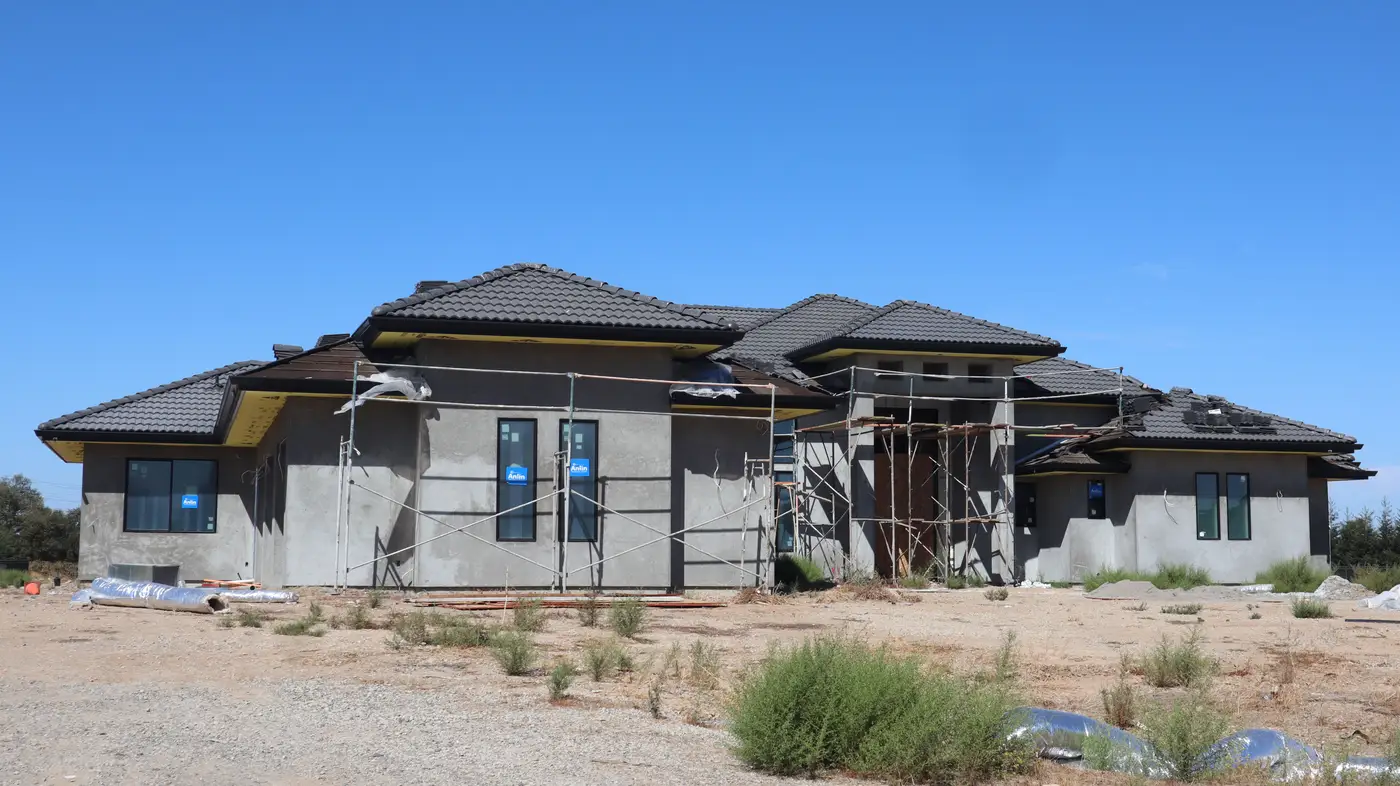
Ask five adjusters what "soft costs" means on a builder's risk policy and you'll get five slightly different lists. Soft costs are the expenses a project owner keeps paying even when a covered loss, like a fire or a roof collapse mid-build, pushes completion back. The building isn't done, so there's no income from it yet, but the loan payments, the architect's fees, and a dozen other line items don't pause just because the job site did.
Builder's risk policies are written to cover the physical property under construction: materials, fixtures, equipment on site. Soft cost coverage is usually added by endorsement, because those carrying costs aren't property damage at all. They're the financial drag of a delayed schedule.
What soft cost coverage pays for
A typical soft cost endorsement picks up some combination of:
- Additional interest on the construction loan during the extended build period
- Extra architect, engineer, and consultant fees tied to redesign or re-inspection after the loss
- Real estate taxes and property insurance premiums that keep accruing
- Additional advertising, leasing commissions, or marketing costs if the delay pushes back lease-up or sale
- Legal and accounting fees directly related to the loss
None of this shows up on the job site. You won't see it in a photo of the framing or the foundation. It shows up on the owner's books, and it only exists because the completion date moved.
This is also why soft cost coverage is almost always written with a waiting period, often 30 to 60 days, before it kicks in. A short delay from a minor claim usually gets absorbed into the schedule's existing float. Soft cost coverage is there for the delay that actually changes the project's financial picture.
Soft costs versus delay in completion coverage
People use "soft cost coverage" and "delay in completion coverage" almost interchangeably, and on a lot of policies they're bundled into the same endorsement, so the confusion is fair. Where carriers do split them out, the distinction usually comes down to this: delay in completion (sometimes called delayed opening or loss of rents during construction) is built to replace income the owner expected to start collecting on schedule, like rent from pre-leased units or revenue from a planned opening date. Soft costs are the ongoing expenses the owner has to keep paying regardless of when income starts.
Put another way: delay coverage addresses what the owner doesn't get. Soft cost coverage addresses what the owner still has to pay. A lot of projects need both, because a six-month delay usually means both lost income and six more months of carrying costs.
Why the completion timeline is the whole claim
Every soft cost and delay claim comes down to one question: how much longer did this project take because of the covered loss, compared to how long it would have taken without it? That comparison requires a credible, independently documented timeline of where the project stood before the loss and how the schedule tracked after it.
That's usually the hardest part of these claims to pin down. Contractor progress reports are built for pay applications, not for proving a delay to a carrier after the fact, and they're exactly the record an adjuster has to question when the contractor has an interest in how long the delay gets attributed to the loss event versus other factors on site. A monthly, independently dated record of stage of completion, filed against the policy as the project goes, gives both sides something to compare the pre-loss and post-loss timelines against instead of reconstructing it from memory and paperwork after the fact.
That's the gap Builder's Risk Monitor is built to close: a monthly imagery-based read of stage of completion and site footprint, filed against the policy before anything goes wrong, so a soft cost or delay claim has an independent baseline to measure against.
If you're underwriting or adjusting projects where soft cost exposure is real, it's worth asking how you'd document that timeline before you need to.