Permission to occupy: what the clause covers on a builder's risk policy
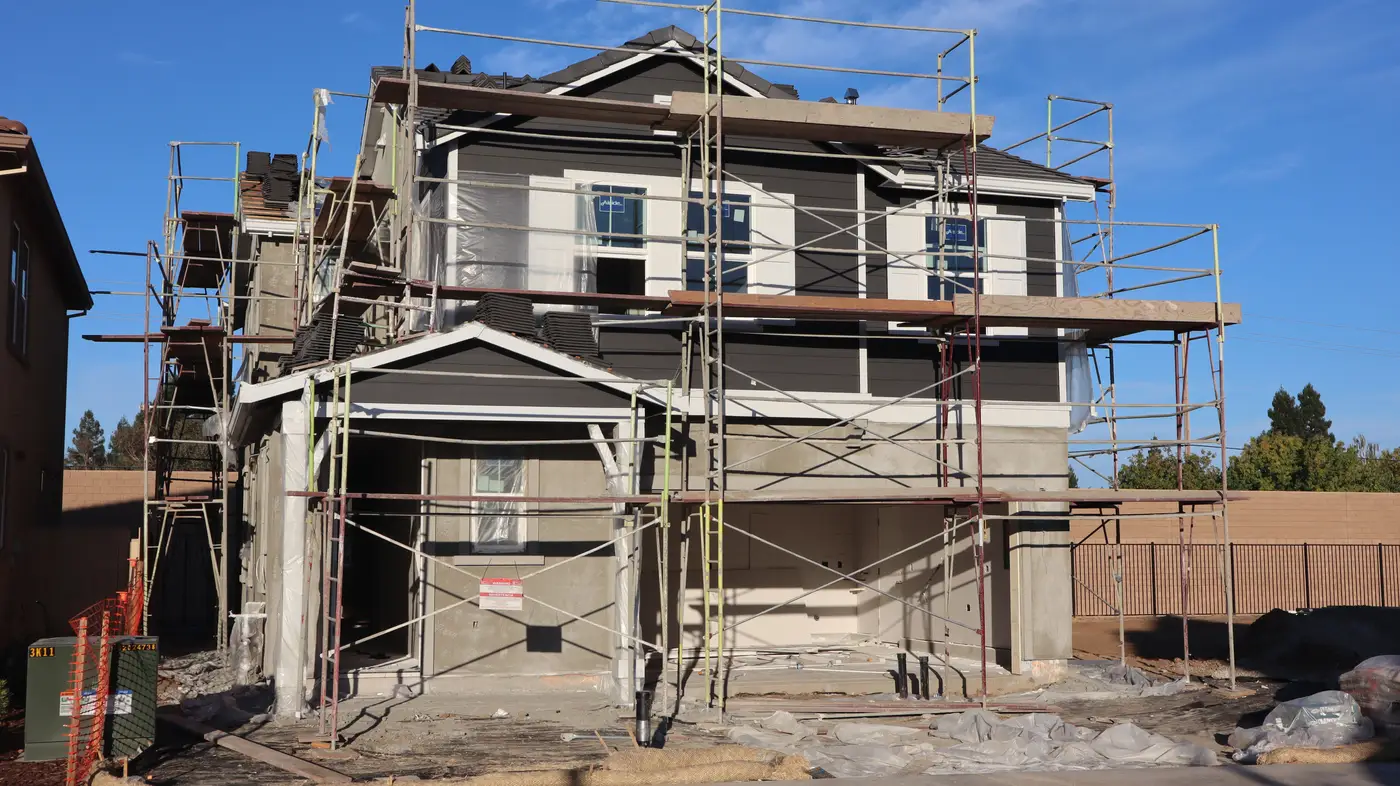
A permission to occupy clause is the provision in a builder's risk policy that lets the insured, or a tenant, move into part of a project before the whole job is finished, without automatically voiding coverage. Most builder's risk forms are written on the assumption that the building is vacant and under active construction. The moment someone moves furniture into a finished floor while trades are still working two floors up, that assumption breaks. The clause is the mechanism that keeps the policy in force anyway, usually subject to notice requirements and often a rate or deductible adjustment.
Without it, occupancy can trigger an exclusion. Builder's risk forms vary by carrier, but a lot of them treat "occupancy" as a trigger event that shifts the risk profile enough to require either a new policy, an endorsement, or outright cancellation of coverage on the occupied portion. Owners who want to start leasing units, opening a retail pad, or moving staff into an office tower before the general contractor turns over the whole site need the permission to occupy language, or they're exposed on the part of the building they occupy.
What changes when occupancy is partial
A partial occupancy endorsement doesn't just flip a switch on the whole policy. It typically carves out the occupied area and adjusts terms for that specific scope: sometimes a separate limit, sometimes a change in the perils covered, sometimes a requirement that fire protection systems be fully operational in the occupied zone before the endorsement attaches. The unoccupied, still-under-construction portion of the project usually stays on the original builder's risk terms.
That split matters for claims. If a loss happens in the occupied wing after move-in, the adjuster is going to ask what endorsement was in place, when it attached, and whether the conditions tied to it (life safety systems live, fire watch dropped or maintained, security access control activated) were met on the date of loss. If the file only has a contractor's monthly pay application saying "substantially complete," that's a thin record to hand an adjuster six months later when the facts of the occupied square footage are in dispute.
Stage of completion is where these disputes start
The gap behind most permission to occupy disputes is the same one every time: the policy conditions are tied to a physical state, systems operational, area enclosed, fire separation in place, but the only evidence of that state is whatever the contractor reported at the time. Pay apps and progress photos from the builder are useful, but they're produced by the party with the most interest in showing the job as further along than it is. An underwriter asking whether the occupied floor was fire-separated from the active construction above it on the date the endorsement attached needs something independent of that self-report to lean on.
This is also where footprint change matters as much as percent complete. A permission to occupy request often comes alongside a change in what's built: a new wing enclosed, a parking structure topped out, an adjacent pad shell delivered to a tenant. If the only record of that change is a narrative update, there's no independent timestamp showing the building was in the state the endorsement assumed. A monthly, dated read of the site, filed alongside the endorsement paperwork, gives the file something to point to if the occupancy terms get challenged later. Builder's Risk Monitor builds that read from repeat imagery and delivers it as a site-map overlay, so the stage-of-completion record sitting in the claims file isn't just the GC's word for it.
A few things to pin down before signing off on occupancy
Before granting permission to occupy, it's worth confirming: which specific area is covered by the request, whether life safety and fire protection systems in that area are confirmed operational (and by whom), what security separates the occupied space from the active work zone, and whether the endorsement has a notice or inspection condition attached to it. None of that eliminates judgment calls on a live project, but it narrows the room for an occupancy dispute to turn into a coverage dispute after a loss.
If stage of completion and footprint change are the facts your occupancy decisions hinge on, it's worth seeing what an independent monthly read of the site looks like before the next request lands on your desk.