Field notes: the renewal where two quiet months weren't what they looked like
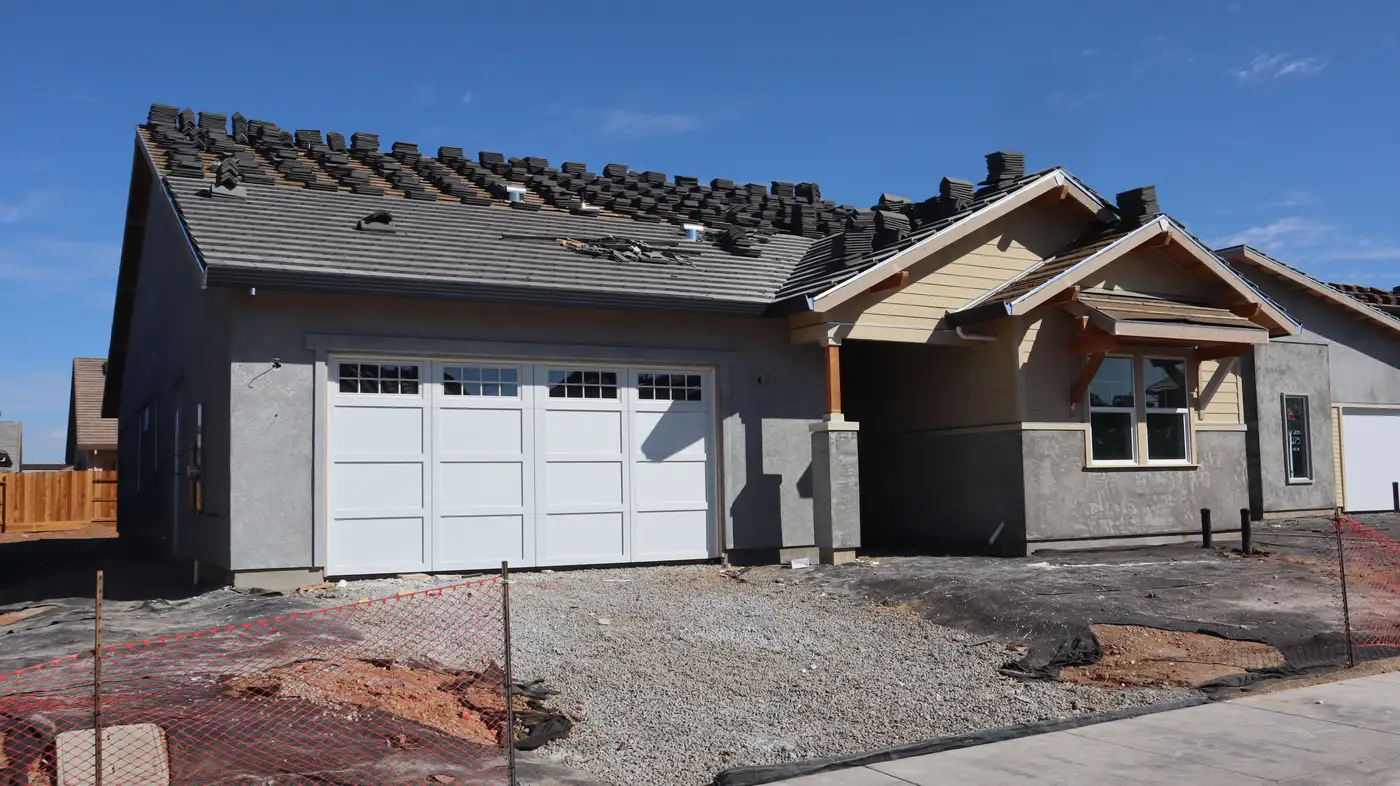
The file crossed my desk the way most renewals do: thin, routine, nothing flagged. A 42-unit townhome build, framing complete per the last progress letter, interior work underway, completion date pushed back six weeks but that's not unusual on a project this size. The GC's monthly update used the word "steady" twice. I almost didn't open the prior file to compare.
I did anyway, mostly out of habit. Two renewals back, the same GC had described the site as "steady" too, at a stage that, looking at the dates, should have moved a lot further than it did. Two months between those updates and the only thing that changed on paper was the completion date, nudged out again.
That's the part that gets missed on a quick read. A stalled job isn't always a stalled job on the page. The progress narrative is written by the person who has every reason to keep the project looking current, the draw schedule moving, and the insured value justified. A GC juggling three sites and a subcontractor who walked off two months ago has little reason to lead with that in a renewal letter. "Steady" is a word that covers a lot of ground.
What I found, once I asked for current site photos instead of taking the letter at face value, was a framing crew that finished in July and then nothing. No rough-in, no MEP trucks on site, no dumpster turnover. The fencing was still up, which is good, but the gate had been open in two of the four photos the insured sent over, unprompted, almost as an afterthought. Two quiet months at a mid-build stage on a wood-frame structure is a different exposure than two quiet months on a job that's buttoned up and weathertight. Nobody had changed the limit, the vacancy clause, or the security requirements, because nobody had a reason to look.
This is the gap that's hard to underwrite around using only what the insured sends you. Progress letters are backward-looking by design and written by the party with the incentive to keep them boring. A site visit catches it, if you can get one scheduled before renewal and if the adjuster's read on "framing complete" matches what you'd call it. Most months, neither of those things happens on a file this size. The renewal just rolls.
What would have caught it earlier is a monthly outside read of the site itself. It wouldn't replace the GC's letter. It would give you something to check it against: a footprint that hasn't changed in two cycles when the schedule says drywall should be underway, or a site that still reads as framed-and-idle when the last update said "on track." That's the kind of mismatch that's obvious once you see it side by side and invisible if you only ever see one side.
We built Builder's Risk Monitor for exactly that gap. It's a monthly image-based read of stage of completion and site activity, built from repeat overhead imagery and laid over the site footprint, meant to sit next to the contractor's own updates rather than replace them. You can get a sense of how the monthly read looks against a policy file on the main page.
The townhome renewal went through fine, in the end, once we had a real conversation with the insured about the gap and tightened the vacancy language for the stalled units. But I think about that open gate a lot. Two quiet months told two different stories depending on who was describing them, and only one of those stories was written by someone with nothing to gain from how it read. If you're carrying a book of course-of-construction risk and want a second set of eyes on what "steady" actually means this month, that's the gap we're built to close.